Humanity
See the best.Recognize the value of human worth and the importance of living with dignity through providing ethical treatment and access to life-changing care for all.
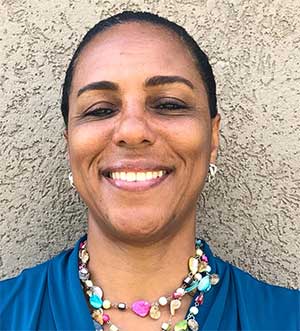
I have had the opportunity to interact with prof Burnett on a number of his visits to Jamaica. We all know that he isextremely knowledgeable, but in the operating room he is so patient and calm. He has a unique ability to put the residents at ease even during complex cases. He is always willing to
share his knowledge, including surgical tips and tricks. I have truly benefited from our interactions and I am very appreciative of the sacrifice he makes to volunteer hisservices in Jamaica.
Prof Burnett is a true MD (Make Do). I am always impressed by how he is able to perform complex urological procedures with limited resources. This underscores his knowledge, competence and composure in the operating room. Prof Burnett is an
amazing teacher of his craft. After each interaction, I feel inspired and motivated to take on new challenges.
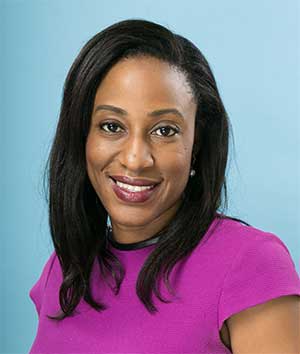
Prof. Arthur Burnett in my opinion is best described as a urologist extraordinaire. His numerous academic and surgical achievements and scholarly activities may be considered legendary. However, it is his compassion, dedication and steadfastness that have left an indelible mark on my career.
I first met Prof. Burnett in 2008, when as a junior consultant I had great interest in research on priapism, an area that Prof. Burnett is a world-leading authority. Without hesitation, he was very willing to collaborate, mentor and guide me through manuscript writing, research methods and provide career guidance and development. Prof. Burnett is always accessible, patient, and willing to share. This mentorship has been very pivotal in my career and for this Iowe Prof. Burnett gratitude.
I had the great honor and privilege of spending three months in Professor Burnett’s Basic Sciences Laboratory from May toJuly 2016. During this time, I was able to participate in clinical research and laboratory research techniques, as well as join his outpatient clinic and operating room activities.As a result of this opportunity, I have acquired a great appreciation for the unseen groundwork that goes into the
elucidation of disease processes and the therapeutic strategies that are conceived by these extremely clever
scientists. Dr. Burnett is an excellent team leader in his laboratory, a quality often demonstrated at his weekly meetings where he calmly and impartially listened and resolved disputes whenever they arose. He is the classic illustration of “leading by example” as he was always the first to arrive and the last to leave work, a feat that I tried hard to emulate while under his mentorship.
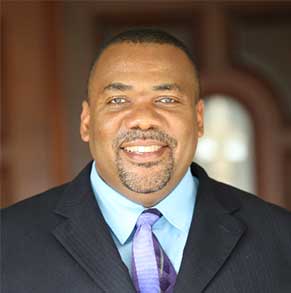
I have known Professor Burnett for at least 10 years. Iinitially met Prof. during my Urology residency program at theSan Fernando General Hospital, Trinidad, and Tobago at one ofour Urethroplasty workshops. Since then, He has been an exceptional mentor to me, always willing to share his knowledge. As a mentor he helped me in numerous ways. He nevertried to mould me in his own character and style but assistedme in developing my own. He displayed an exceptional abilityto teach, articulating the surgical principles in ways thatwere easy to understand. What amaze me was his patience andcalmness while effectively transferring his knowledge. No questions were stupid, and He treated every person withrespect.
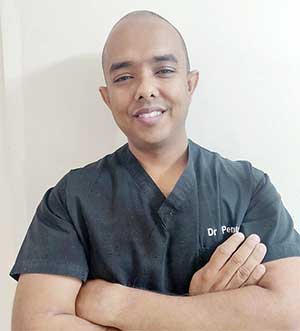
Arthur Burnett may not have been born in the Caribbean but wehave wholeheartedly adopted him! or has he adopted us? However one chooses to view it, Bud has been a stalwart of CaribbeanUrology for many years, in clinical and academic spheres regularly sharing his knowledge and skill with colleagues inJamaica and Trinidad. He has been friend and mentor to many throughout the region, myself included, and is never too busy to guide and advise. For his contribution to Urology in the Caribbean he was honored by the Caribbean Urological Association in 2021. We are grateful for his continued presence and look forward to working closely with him in the years to come” – Satyendra Persaud DM FRCS FACS President,Caribbean Urological Association
For more than 15 years, Dr. Arthur Burnett served as a visiting professor at The University of the West Indies, supporting urology training programs in Trinidad and Jamaica. Over time, he gained a deeper understanding of the critical gaps in urologic education, clinical resources, and specialized care across the region, gaps that left patients without access to the procedures and expertise they needed.
In response, Dr. Burnett began dedicating more of his time and expertise to the islands on a volunteer basis. His visits expanded to include cognitive and technical skill development for residents, grand rounds reviewing complex patient cases in detail, hands-on performance of highly specialized surgical procedures not previously available in-country, research protocol guidance, and direct mentorship of both urology residents in training and practicing physicians.
In 2017, Dr. Burnett formalized this commitment by founding UroMissionsWorks, Inc., a tax-exempt, not-for-profit 501(c)(3) charitable organization as a vehicle to sustain, expand, and deepen this work. Today, the organization's mission-driven activities extend across the Caribbean, Africa, and South America, with ongoing efforts to establish new training partnerships and recruit additional volunteer urologic surgeons.
Traditionally, healthcare resources in underserved regions have been concentrated in primary care and infectious disease management. While this focus has been necessary, it has come at the expense of other critical areas, including urology. Urological diseases represent a broad and impactful spectrum of health conditions that affect people of all ages, backgrounds, and genders throughout their lifetimes. These conditions include urinary tract infections, urinary obstructions and difficulties, kidney stones, reproductive and sexual dysfunction, and cancers of the kidney, prostate, bladder, and genital tract. Their impact ranges widely from manageable, short-term discomfort to chronic, debilitating disease and life-threatening illness.
People of lower socioeconomic status and underrepresented communities bear a disproportionate burden of urological disease, frequently lacking access to the diagnostic tools, specialized providers, and surgical interventions needed for effective treatment. This inequity translates directly into poorer health outcomes and reduced quality of life.
Research consistently shows that investing in the training of urologic healthcare providers within underserved communities leads to measurable improvements in knowledge, clinical skill, and the quality of care delivered. UroMissionsWorks exists to accelerate that process by building local capacity through education, mentorship, and hands-on surgical training that creates lasting change from within.
Advance the urological training of future urologic healthcare providers in underserved regions by enlisting skilled urologists to augment their training experience.
Enhance the urological care provided to underserved communities by transforming the educational experience of urology trainees who serve these populations.
See the best.Recognize the value of human worth and the importance of living with dignity through providing ethical treatment and access to life-changing care for all.
Enable the best.Address disparities in educational training to foster enhanced skills, career advancement, and expert urological care.
Be your best.Demonstrate a dedication to adhering to ethical and moral standards, standing on principle, and doing the right thing regardless of the circumstances.
Achieve the best.Pursue goals resolutely and remain steadfast in the face of obstacles, knowing that meaningful change requires sustained commitment.
Together, give your best.Embrace the notion of the African proverb that our collective will is greater than any individual achievement: If you want to go fast, go alone. If you want to go far, go together.
Do your best. Commit to being outstanding, attaining an exceptional level of quality, and maintaining an ongoing standard of distinction in every mission and every interaction.